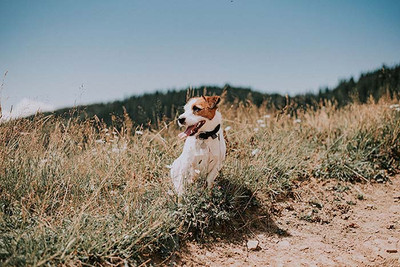
Posted by K9 Active on 12th May 2026
Just like us, dogs can react to pollen, grass and other seasonal triggers — but hay fever in dogs often looks a little different.
While humans tend to get the classic runny nose, sneezing and itchy eyes, dogs are more likely to show signs through their skin. That means licking paws, scratching, rubbing their face, itchy ears, red skin or generally seeming uncomfortable after walks.
The good news? There are lots of simple, gentle things you can do at home to help reduce pollen build-up and support your dog’s skin naturally. Hay fever and seasonal allergies can be frustrating, but with a little routine and the right support, many dogs can feel much more comfortable.
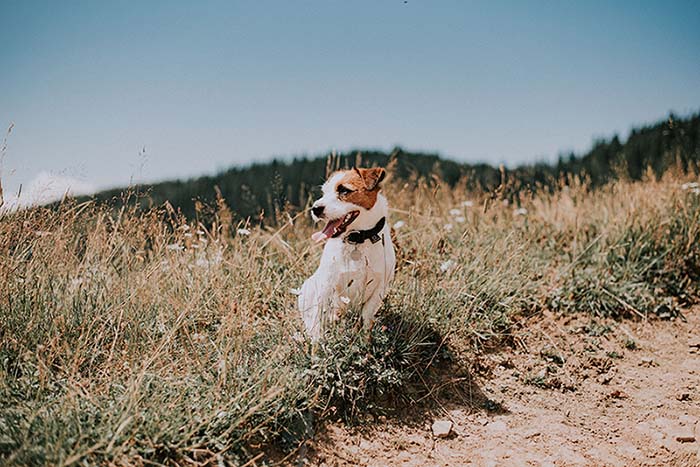
What is hay fever in dogs?
When we talk about “hay fever” in dogs, we’re usually talking about a seasonal environmental allergy. This can be triggered by pollen from trees, grass or weeds, as well as other outdoor allergens.
In the UK, tree pollen is usually around from late March to mid-May, grass pollen from mid-May to July, and weed pollen from late June to September. So, depending on what your dog reacts to, symptoms may appear at different points through spring and summer.
Some dogs only have mild seasonal flare-ups, while others can be itchy for longer periods or have allergies that overlap with food, fleas, dust mites or other triggers.
What are the symptoms of hay fever in dogs?
A pollen allergy in dogs often affects the skin. You may notice your dog licking, chewing, rubbing or scratching more than usual, especially around:
- Paws and between the toes
- Legs
- Tummy
- Groin
- Armpits
- Around their bottom
- Ears
- Eyes
- Muzzle and face
Their skin may look red, sore, flaky or irritated, but some dogs can feel very itchy even when their skin looks fairly normal at first.
You may also notice:
- Paw licking after walks
- Head shaking
- Rubbing their face on the carpet or sofa
- Itchy or waxy ears
- Redness around the eyes
- Hair loss from over-licking
- Scabs or sore patches from scratching
It’s worth keeping a note of when symptoms appear. If your dog flares up around the same time each year, or after walks through grass, woodland or fields, pollen could be one of the triggers.
Gentle ways to help your dog during hay fever season
You can’t always avoid pollen completely — unless your dog agrees to live in a bubble, and let’s be honest, they’d still find a muddy puddle in there somehow. But you can reduce how much pollen sticks to their coat, paws and bedding.
Wipe down after walks
After walks, gently wipe your dog’s paws, legs, tummy and face with a damp cloth or pet-safe wipe. This helps remove pollen before it has time to irritate the skin.
Pay close attention to paws, between the toes and under the belly, as these areas often pick up grass and pollen.
Rinse paws if needed
For dogs who lick their paws after walks, a quick paw rinse can be really helpful. Use lukewarm water, dry the paws properly afterwards, and avoid leaving moisture trapped between the toes.
Brush regularly
A regular brush helps remove loose hair, dust and pollen from the coat. This is especially useful for dogs with thicker coats or dogs who love rolling in grass like they’re trying to become a lawn.
Wash bedding more often
Pollen can build up on dog beds, blankets and soft toys. Washing bedding more often during spring and summer can help reduce the amount your dog is exposed to indoors.
Hoover and dust regularly
If your dog is sensitive to pollen, they may also react to dust or other indoor allergens. Regular hoovering, especially around their bed and favourite sleeping spots, can help keep things calmer.
Choose walk times carefully
On high pollen days, walking earlier in the morning or later in the evening may be more comfortable for some dogs. Try to avoid long grass if you know it triggers itching.
Keep windows closed on high pollen days
It’s lovely to throw the windows open when the sun appears for five minutes in Scotland, but on high pollen days it can bring allergens into the house. Keeping windows closed during peak pollen times may help sensitive dogs.
Supporting your dog’s skin naturally
Healthy skin acts like a barrier, so supporting your dog’s skin from the inside and outside can be a really useful part of managing seasonal itch.
Skin and coat supplements
Omega oils and skin-support supplements may help some dogs maintain healthier skin and coat condition. They won’t “cure” hay fever, but they can be a helpful part of a wider routine, especially for dogs who get dry, flaky or itchy skin during spring and summer.
Products such as Wilsons Premium Scottish Salmon Oil can be added to your dog’s food to support skin and coat health from the inside. This is available both online and in-store.
We also stock AniForte Premium Feed Oil in-store, which is another option for customers looking to support their dog’s skin, coat and general wellbeing naturally.
Gentle shampoos
A mild, dog-safe shampoo can help wash pollen and allergens from the coat. Avoid harsh or heavily fragranced products, as these can sometimes make sensitive skin worse.
For itchy dogs, gentle, soothing shampoos or sensitive-skin formulas are usually a better starting point. We stock TropiClean Medicated Itch Relief Shampoo online and in-store, which can help soothe dry, itchy skin.
We also have Holistic Hound Ditch De Itch in-store, a soothing, fast-acting topical spray for dry, itchy skin — handy for targeted support between baths.
Ear care
Some dogs with seasonal allergies are more prone to itchy or waxy ears. Keeping ears clean with a pet-safe ear cleaner may help as part of regular maintenance.
We stock TropiClean Dual Action Ear Cleaner and TropiClean Ear Cleaning Wipes, which can be handy for gentle ear care at home.
Sore, smelly, red or painful ears should always be checked by a vet.
Diet and treats
It’s easy to assume spring and summer itching is always hay fever, but symptoms like itchy paws, red skin, recurring ear issues, licking, chewing or tummy upsets can sometimes be linked to food sensitivities too.
This doesn’t mean every itchy dog has a food problem, but if your dog is itchy all year round, has regular flare-ups, waxy ears, loose stools or digestive issues, it may be worth looking at their diet as part of the bigger picture.
A good-quality, natural diet can help support healthy skin, coat and digestion. For some dogs, keeping things simple with fewer ingredients or single-protein options can make it easier to see what suits them best.
Treats count too. If you’re reviewing your dog’s diet, remember to include chews, training treats, dental sticks and any little extras they get through the day.
Things to avoid
Natural support can be brilliant, but not everything natural is safe for dogs.
We would avoid DIY essential oils for itchy skin, especially oils like tea tree. Concentrated oils can be harmful to pets and may irritate the skin further.
You should also avoid giving human hay fever tablets, cold remedies or “all-in-one” allergy products unless your vet has specifically advised it. Some human medicines and ingredients can be dangerous for dogs.
When should you speak to a vet?
Mild seasonal itching can often be supported with a good routine, but it’s important to know when your dog needs extra help.
Contact your vet if your dog has:
- Very sore, red or broken skin
- Hot spots or wet, weeping patches
- Smelly, painful or discharging ears
- A red, cloudy, painful or closed eye
- Hair loss from constant licking or scratching
- Bleeding, pus or scabs
- Symptoms that don’t improve with simple home care
- Itching all year round rather than seasonally
- Vomiting, diarrhoea, facial swelling, breathing trouble or collapse
Those signs may mean there is an infection, another allergy, parasites, an eye problem or something more serious going on.
A simple seasonal allergy routine
If your dog struggles with pollen, try this easy routine through spring and summer:
- Check the pollen forecast
- Avoid long grass where possible
- Wipe paws, legs and tummy after walks
- Brush regularly
- Wash bedding more often
- Use gentle skin-support products where needed
- Keep an eye on ears, eyes and paws
- Ask for advice if symptoms become sore, smelly or persistent
Small changes can make a big difference, especially when you do them consistently.