Posted by K9 Active on 18th May 2026
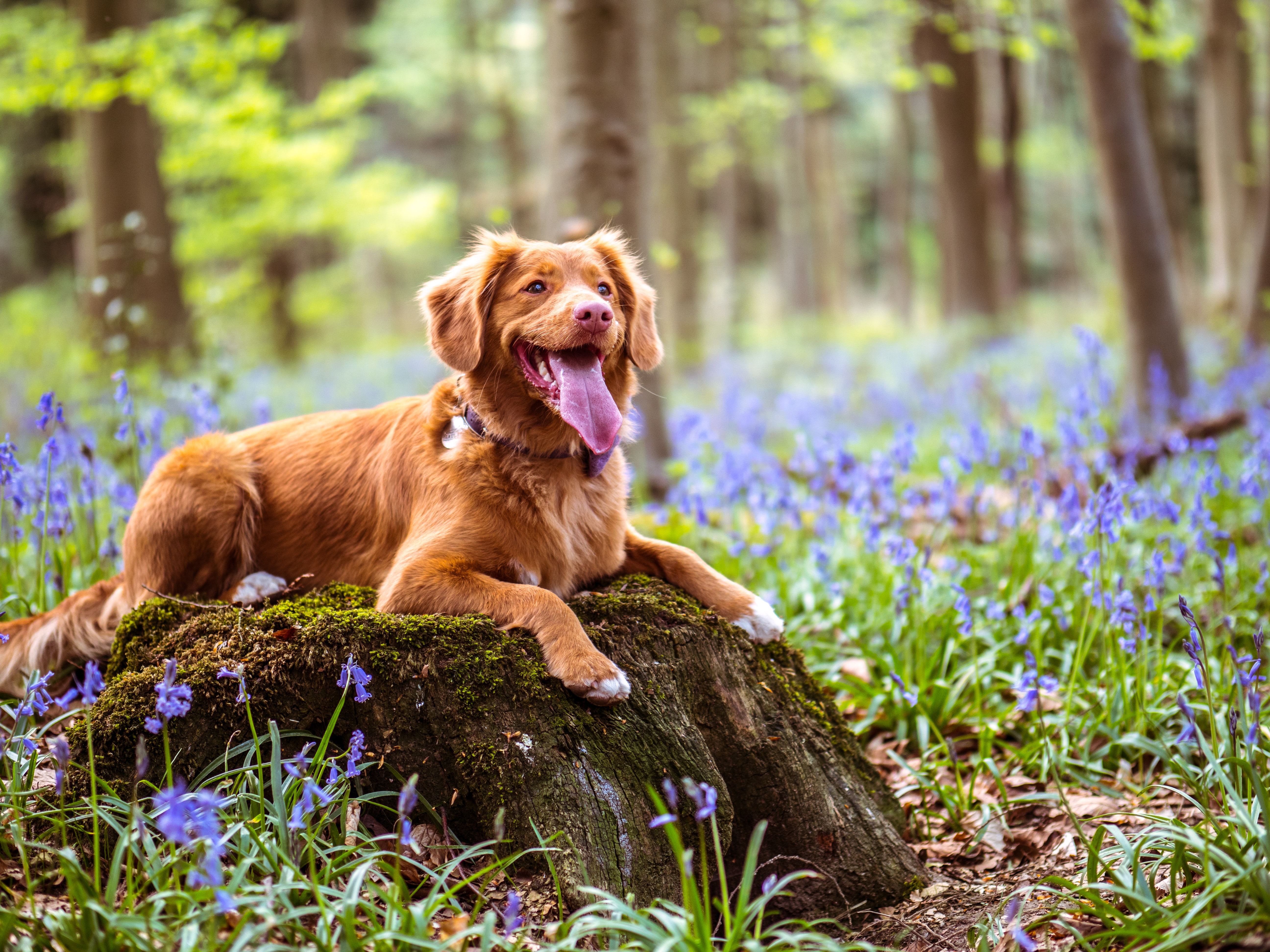
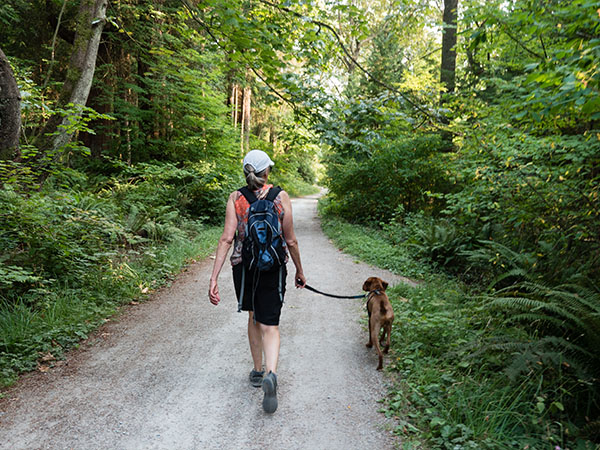
After a winter of shorter days, muddy paths and quick walks between showers, spring can make us all want to get back outside for longer adventures with our dogs.
The lighter evenings arrive, the weather starts to improve — well, sometimes — and suddenly that “quick lap round the block” starts turning into longer walks, weekend hikes, beach trips and park adventures.
But before you and your dog go from cosy winter strolls to full spring explorer mode, it’s worth easing back in gently. Just like us, dogs can lose a bit of fitness over winter, especially if walks have been shorter, slower or less frequent.
So, before you rush out to make the most of the better weather, here are some simple tips to help you and your dog get ready for spring walks safely.
Build Up Gently
It can be tempting to make the most of a sunny spring day by heading straight out for a big walk, but if your dog hasn’t been doing that distance recently, it can be a bit much.
Instead, build things up gradually over a few weeks. Start by increasing either the length, distance or pace of your walks — but not all at once. A few extra minutes here and there can make a big difference without overdoing it.
For example, if your dog has been used to 20-minute winter walks, try adding five minutes at a time rather than jumping straight to an hour-long adventure.
This is especially important for puppies, senior dogs, dogs carrying a little extra weight, or dogs coming back from injury or illness. Some dogs will happily keep going because they’re excited, even when their body is telling them they’ve had enough.
A gentle build-up helps improve stamina, supports muscle strength and makes walks more enjoyable for everyone.
Don’t Go From Sofa Snuggler to Mountain Goat Overnight
We’ve spoken before about the risks of “weekend warrior” walks — where a dog does very little during the week, then suddenly tackles a big walk, run or adventure at the weekend.
We won’t go too deeply into that here, as it’s a topic in its own right, but it’s definitely worth keeping in mind as spring arrives.
A dog who has been doing shorter winter walks may not be ready for a long hike, fast run, agility session or full day out without some preparation. Even if they seem full of energy at the start, tired muscles and joints can become sore later.
A steady routine will always beat the “all or nothing” approach.
You can read more about this in our separate blog here: Weekend Warrior Syndrome blog
Check How Your Dog Is Moving
Before increasing exercise, have a little watch of how your dog is moving.
Are they stiff when they get up? Are they lagging behind more than usual? Are they limping, bunny-hopping, reluctant to jump into the car, or seeming sore after walks?
Small signs can be easy to miss, especially when dogs are keen to get going. But if something doesn’t seem quite right, it’s better to slow things down and get advice before pushing on.
This is particularly important for older dogs, dogs with joint issues, dogs recovering from injury, or breeds that are more prone to mobility problems.
You don’t need to panic over every sleepy post-walk flop — some dogs simply love a dramatic lie-down — but repeated stiffness, limping or reluctance to walk should be checked by a vet or qualified canine professional.
Warm Up Before Bigger Walks or Play
A warm-up doesn’t need to be complicated. Before you start a faster walk, hill climb, run or energetic game, begin with 5–10 minutes of gentle walking.
This gives your dog’s muscles and joints time to warm up before they start moving more quickly. It’s especially useful if you’ve driven somewhere and your dog is jumping straight out of the car ready for action.
The same goes for us too. Nobody’s best work happens when they launch themselves out of a car and straight up a hill. Except maybe spaniels. Spaniels appear to have different software installed.
After exercise, let your dog cool down with a slower walk before heading home. This is especially important if they’ve been running, swimming, playing fetch, or walking in warmer weather.
Try not to finish an active walk by immediately putting your dog back into the car, especially if they’re wet, muddy or very warm.
Make Walks Mentally Enriching Too
Getting fit for spring walks doesn’t always mean going faster or further. Sometimes, the best walks are the slower ones where your dog gets to sniff, explore and use their brain.
Sniffy walks are brilliant for mental enrichment. Letting your dog stop and smell the world around them can be just as valuable as covering lots of distance.
You can also mix things up by trying:
- New walking routes
- Woodland trails
- Beach walks
- Gentle hill walks
- Food-search games
- Short training games during walks
- Calm exploring in new environments
Even simple changes can make walks more interesting. A different path, a new park, or a few natural treats hidden in the grass can turn an ordinary walk into a mini adventure.
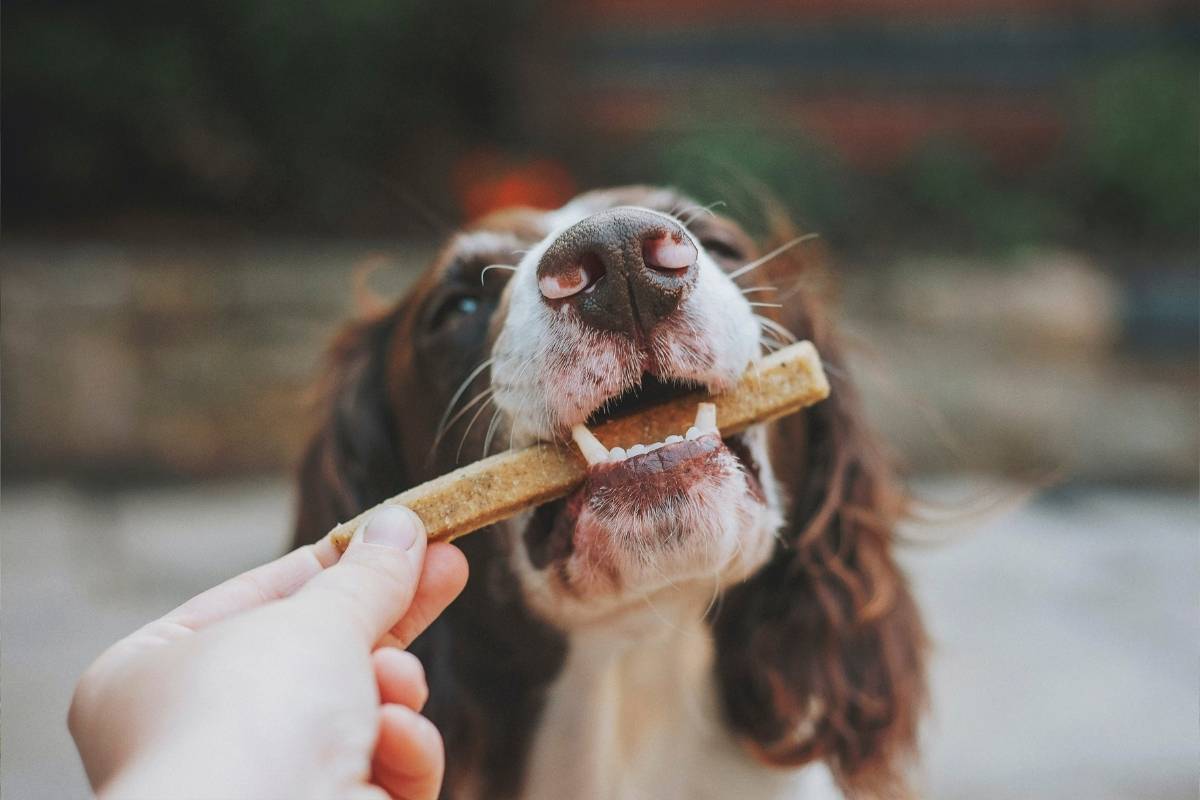
Natural treats are also handy for recall practice, reward-based training and keeping your dog motivated on walks.
Browse natural dog treats here: Natural dog treats
Be Sensible With Fetch and High-Energy Play
Toys are a great way to add fun to walks, but it’s worth being sensible with high-speed games.
Repeated ball throwing can involve sudden stops, sharp turns and skidding, which can be hard on joints — especially for puppies, senior dogs, overweight dogs or dogs with existing aches and pains.
That doesn’t mean toys are off the menu. Far from it. Just mix things up a bit.
Instead of endless long throws, try:
- Shorter, controlled retrieves
- Hide-and-seek with a toy
- Tug games with breaks
- Searching games
- Rolling a ball along the ground rather than launching it
- Using toys as a reward during training
This keeps things fun while reducing the constant stop-start strain.
Browse dog toys here: Dog toys
Check Your Dog’s Walking Gear Still Fits
Spring is a good time to check your dog’s walking kit.
Dogs can change shape over winter, especially if they’ve been less active or if their coat has grown thicker. A harness that fitted nicely last year might now be a bit tight, loose, worn or rubbing in the wrong places.
Before longer walks, check:
- The harness fits comfortably
- Nothing is rubbing behind the front legs
- Your dog can move their shoulders freely
- Clips, buckles and stitching are secure
- Leads are still strong and safe
- Coats still fit properly and aren’t restricting movement
A well-fitted harness can make a huge difference to your dog’s comfort, especially on longer walks, hikes and active days out.
Browse dog harnesses here: Dog harness
Browse dog leads here: Dog leads
For local customers, we’re also happy to help with harness fitting in our Dunfermline store.
Be Ready for Changeable Spring Weather
Spring weather loves to keep us guessing. One minute it’s sunny, the next it’s raining sideways and you’re questioning every life choice that led to leaving your waterproofs at home.
That means it’s worth planning ahead, especially for longer walks.
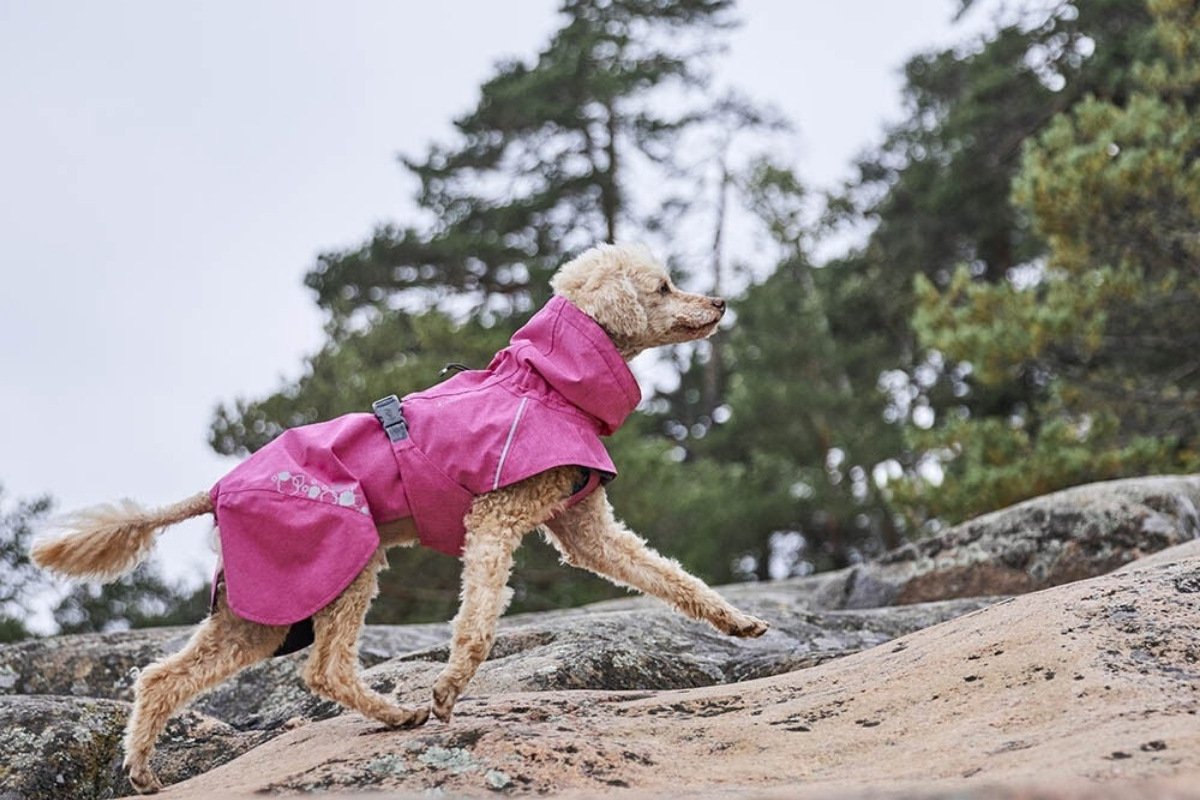
On cooler or wet days, some dogs may still benefit from a lightweight raincoat or weatherproof layer. On warmer days, dogs can overheat more quickly than we expect, especially if they’re running, walking on exposed paths, or wearing a thick coat.
Be mindful of:
- Sudden warm spells
- Slippy or muddy ground
- Wet dogs getting cold after exercise
- Hot pavements later in spring
- Dogs who don’t cope well with heat
- Dogs who get chilly when wet
For dogs who love an adventure whatever the weather, the right coat can help keep them more comfortable.
Browse dog coats and raincoats here: Dog raincoats
Watch Out for Spring Hazards
Spring walks are brilliant, but they do bring a few seasonal things to watch for.
Ticks and fleas
As the weather improves, ticks become more of a concern, especially in long grass, woodland, moorland and areas with deer or livestock.
After walks, check your dog carefully, especially around the ears, neck, armpits, groin, paws and under the collar or harness.
It’s also worth keeping a tick remover in your walking kit or car, just in case.
Browse tick removal and prevention products here: Tick products
Pollen and spring irritation
Some dogs can be sensitive to pollen, grass or seasonal allergens. You might notice licking paws, rubbing their face, itchy skin, watery eyes or sneezing after walks.
A simple wipe down after walks can help remove pollen from paws, legs and belly. If your dog seems very itchy, uncomfortable or develops sore skin, it’s best to speak to your vet.
You can also read our blog on dogs and hay fever here: Hay fever blog
Livestock and wildlife
Spring is also a busy time for wildlife and farm animals. Lambs, nesting birds and young wildlife mean it’s especially important to keep dogs under close control.
Use a lead around livestock, follow local signs and avoid letting dogs disturb wildlife or ground-nesting birds.
A good lead or long line can give your dog freedom to explore while keeping everyone safe.
Browse leads or long lines here: Dog leads
Muddy paths and paw care
Spring paths can still be muddy, uneven and slippery. After walks, check your dog’s paws for cuts, grit, thorns, grass seeds or irritation.
Some dogs may benefit from paw balm or boots, especially if they’re walking over rough ground, wet trails or stony paths.
Browse dog boots or paw care here: Dog boots/paw care
Pack a Simple Spring Walk Kit
You don’t need to carry half the shop with you — although we obviously respect that level of preparedness — but a few basics can make walks much easier.
For longer spring walks, consider packing:
- Fresh water
- A travel bowl
- Natural treats
- Poo bags
- A towel
- Tick remover
- Lightweight dog coat if needed
- Lead or long line
- Phone with enough battery
- A basic first aid kit for longer adventures
Having a few essentials to hand means you’re ready if the walk ends up warmer, wetter, muddier or longer than expected.
Browse travel bowls and walking accessories here: Travel bowls
Try Something Different This Spring
If you or your dog are getting bored of the same walk, spring is a lovely time to try something new.
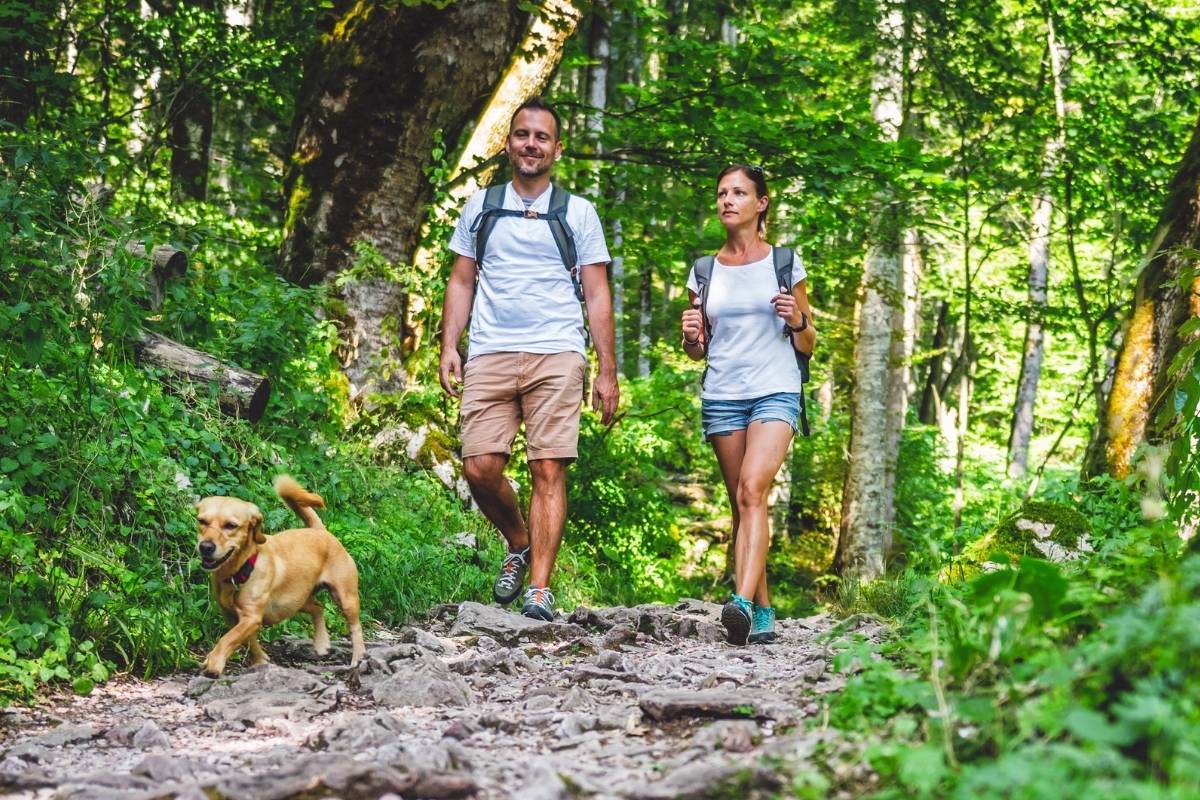
You could explore a different local route, visit a dog-friendly beach, try a woodland walk, practise calm lead walking somewhere new, or create a simple scent game in the garden.
For dogs who enjoy water, swimming can be a great low-impact activity, but always choose safe locations, avoid strong currents, and never force a dog into water.
Not every spring adventure has to be huge. For some dogs, especially seniors or nervous dogs, a quiet sniffy walk and a gentle change of scenery can be perfect.
The goal is not to turn every dog into an endurance athlete. It’s to help them enjoy movement safely, comfortably and happily.
Know When to Slow Down
One of the most important parts of getting fit for spring walks is knowing when to stop.
Slow things down if your dog is:
- Lagging behind
- Limping
- Panting heavily
- Drooling more than usual
- Seeking shade
- Refusing to continue
- Looking stiff or sore
- Seeming unusually tired after the walk
- Not recovering as quickly as normal
Dogs can be very good at hiding discomfort, especially when they’re excited. Keep an eye on how they are during the walk and later that day.
A walk should leave your dog happy and content — not sore, exhausted or struggling.
Enjoy Spring Walks Together
Spring is one of the best times of year to get out and enjoy more time with your dog.
The brighter evenings, fresh smells, new routes and better weather all make walks feel that little bit more exciting. With a bit of preparation, a gradual build-up and the right kit, you can help your dog enjoy the season safely.
Whether you’re planning longer walks, local adventures, muddy woodland mooches, hiking trips or simply want to freshen up your dog’s walking gear, we’re here to help.
You can browse our range of dog walking essentials online, including harnesses, leads, coats, toys, treats and useful accessories for spring adventures.
And if you’re local to Dunfermline, Fife or the surrounding area, you’re always welcome to visit K9 Active Natural Dog Store for friendly advice, natural treats, harness fitting help and walking essentials.